Morning Anchor
A consistent way to start your day that helps you transition from sleep to wakefulness.
Practical guidance for creating routines that fit your life and support your well-being
Routine planning is about creating a flexible framework for your day that helps you accomplish what matters while maintaining balance. It is about establishing patterns that support your lifestyle.
Effective routine planning considers your energy levels throughout the day, your personal preferences, and your current life circumstances. The goal is to create structure that serves you.
When you plan your routines thoughtfully, you create space for both productivity and rest, work and leisure, solitude and connection.
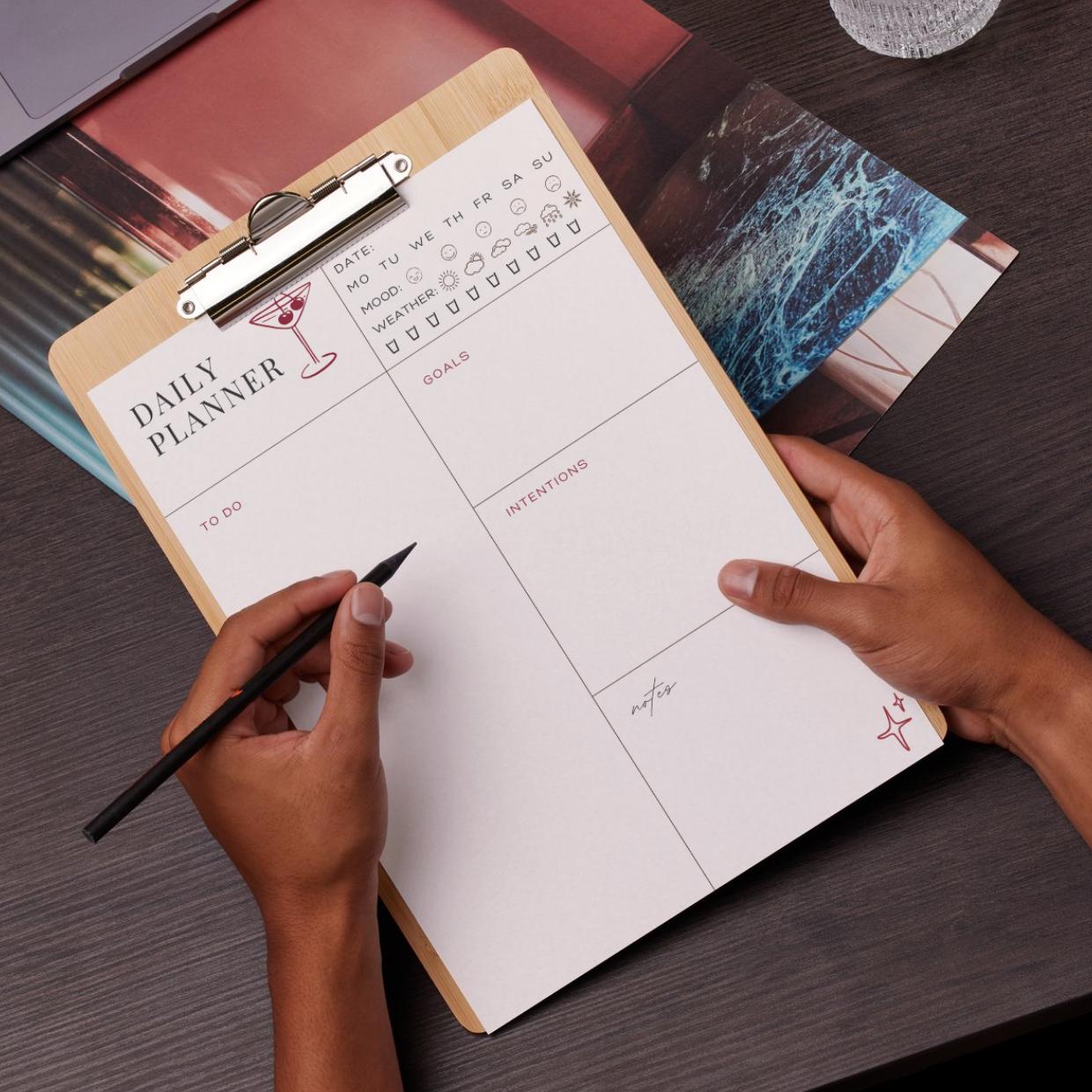
A consistent way to start your day that helps you transition from sleep to wakefulness.
A brief pause during your day to check in with yourself, refuel, and refocus on your priorities.
Activities that help you shift from the busyness of the day to a more restful state.
Regular time to reflect on what is working in your routines and what might need adjustment.
Take a few days to observe how you currently spend your time. Notice when you feel most energized and when you tend to feel depleted.
Consider what activities and commitments are most important to you. What do you want to make sure happens each day?
Create short sequences of activities that flow naturally together. Keep them simple and achievable.
Try your new routine for a week or two, then evaluate what is working and what needs refinement.
Trying to schedule every minute can lead to frustration. Leave buffer time and space for spontaneity.
Be honest about how much time activities actually take and how much energy you have available.
Life happens. Build routines that can adapt when unexpected situations arise.
Pay attention to your natural energy patterns and work with them rather than against them.
What works for someone else may not work for you. Focus on creating routines that fit your unique situation.
Missing a routine once does not mean failure. Simply return to it the next day.
Routine planning is a skill that develops over time. Experiment with different approaches and find what works best for you.
Educational Information: All materials and practices presented are for educational and informational purposes only and are intended to support general well-being. They do not constitute medical diagnosis, treatment, or advice. Before applying any practice, especially if you have chronic conditions, consult a qualified healthcare professional.